

Magnesium is a well-known ally against muscle cramps , especially when they are linked to a deficiency or intense exertion. A balanced diet, proper hydration, and, if necessary, appropriate supplementation can help reduce their frequency and intensity.
Key takeaways:
- A magnesium deficiency can promote the onset of muscle cramps, particularly at night or after exercise.
- Magnesium can help relieve muscle pain .
- Opt for magnesium bisglycinate for maximum absorption without digestive problems.
- An intake of 300 mg in the evening promotes muscle relaxation and sleep.
Why do we get cramps? The most common causes
Why does it get stuck? Most often, it's dehydration, fatigue, or a mineral imbalance that disrupts the mechanism. While magnesium isn't the only culprit, its absence prevents the muscle from relaxing after exercise.
A cramp often strikes without warning, freezing the limb in an uncomfortable position . This involuntary spasm frequently affects the calf or foot , leaving the person bewildered by a sharp, painful sensation that can last for several minutes.
We often look for a single cause, but muscles actually react to several factors. The most common is dehydration . Without enough water, the ion exchange necessary for movement is impaired. Excessive sweating during physical exertion also depletes essential salt.
The most common causes:
- Dehydration: Less fluid = less circulating electrolytes.
- Muscle fatigue: Excessive effort disrupts control reflexes.
- Blood circulation: Poor tissue oxygenation promotes spasms.
Are cramps caused by a lack of magnesium?

When the symptom occurs at night, a nutritional link is often suggested. Is it always related to this mineral? Not systematically , but a magnesium deficiency mechanically disrupts the physiology of movement. It is the inseparable partner of calcium .
The mechanism works in a binary fashion: calcium triggers muscle contraction, while magnesium signals relaxation . In the event of a magnesium deficiency, the "switch" remains stuck in the "on" position. The muscle tissue is unable to return to its resting length.
This is why the muscular system depends on the balance of these minerals to avoid hyperexcitability. In our opinion, maintaining an adequate level limits this risk of nervous system overactivity.
This regulatory effect is scientifically documented ( PubMed, 2020 ), highlighting that electrolyte balance is key to comfort.
What are the effects of magnesium on cramps?
Magnesium doesn't act as an immediate pain reliever, but rather as a long-term regulator . It's remarkably effective at calming nighttime and pregnancy-related muscle spasms. For marathon runners in the midst of exertion, salt water will be more urgently needed.
Understanding the role of magnesium in the human body allows for better targeting of its use. This mineral is essential for ensuring normal energy metabolism . Specifically, it acts as a natural brake for your muscles once the activity is complete.
Its main effects are aimed at muscle relaxation . Without adequate intake, the relaxation mechanism breaks down. The muscle fiber remains under tension, creating acute muscle pain. Maintaining a healthy cellular level helps the body prevent this mechanical blockage.
✅ It works (High efficiency)
- At night: Ideal for calves that feel tight at rest.
- Pregnancy: Recommended for pregnant women (increased needs).
- Deficiency: If your reserves are depleted (stress, poor diet).
- General fatigue : Supports overall nervous system function.
🟠 It depends (Variable effectiveness)
- Full effort: Sports cramps are often due to a lack of salt/water.
- Seniors: Limited effectiveness if the cause is circulatory (venous).
- Immediate: Does not stop the crisis in 2 seconds (preventive effect).
What the research says
Science has long been interested in this link. In our opinion, we must remain honest about the results. A major review in the International Journal of Molecular Sciences, 2024, indicates that taking magnesium reduces the frequency of spasms that occur during pregnancy.
For the average adult, increasing the dosage shows positive results, especially if a deficiency was present. However, this will not prevent a severe muscle cramp after a marathon if you are dehydrated. Its purpose is to provide long-term relief.
Current scientific consensus (2025) validates its use as a safe and inexpensive comfort strategy . But for this to work, we need to move from theory to practice: what routine should we adopt to avoid suffering?
How to prevent cramps with magnesium?

Proper hydration combined with light stretching sets the stage. When it comes to supplementation, the choice of form is non-negotiable: bisglycinate offers the best absorption rate for relaxing muscles without irritating the gut. The ideal timing? In the evening.
Addressing nighttime cramps requires a comprehensive strategy. Magnesium supplementation alone may not be enough if hydration isn't adequate. We recommend drinking regularly, as water carries minerals to the cells.
- Drink a large glass of water (rich in bicarbonates if possible).
- Perform 2 minutes of gentle calf stretches.
- Take your dose of magnesium with dinner.
Whether you're an intense athlete or a sedentary person, a healthy lifestyle is key . Regular magnesium intake helps relieve tension accumulated during the day. In our opinion, establishing this routine drastically reduces painful muscle spasms that wake you up in the middle of the night.
Which magnesium should I take in case of cramps?
This is where everything happens. To act on muscle fibers, minerals must first cross the intestinal barrier. Unfortunately, many forms (like marine oxide) are poorly absorbed and end up in the toilet, sometimes causing digestive problems that worsen mineral loss.
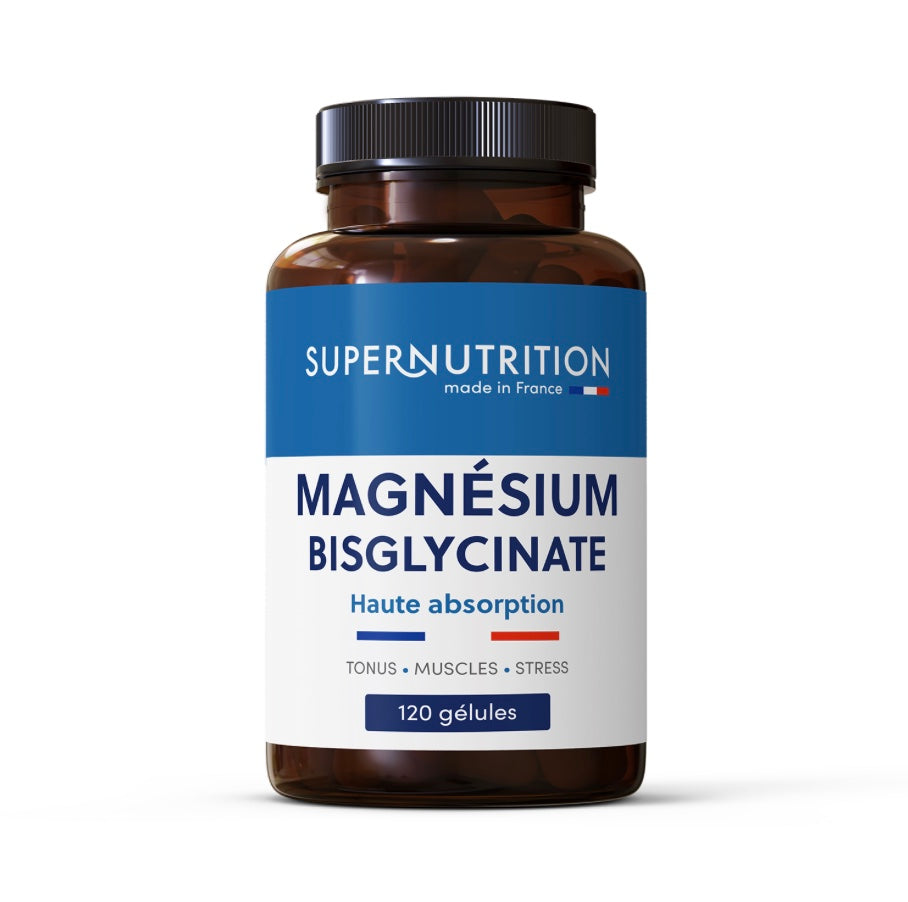
Our expert solution
We have developed a specific solution to this problem. Magnesium Bisglycinate combines magnesium with glycine. This duo creates a highly absorbable dietary supplement that targets muscle and nervous system relaxation, without any digestive discomfort. It's the perfect ally for real effectiveness.
See our Magnesium BisglycinateWhen should I take magnesium to prevent cramps?
The timing of intake influences effectiveness. While splitting the dose is ideal (one in the morning for energy, one in the evening for relaxation), the priority remains the end of the day . In the evening, the metabolism prepares the body for rest, and mineral replenishment promotes relaxation.
A 4- to 6-week course of magnesium is often necessary to raise intracellular levels. Requirements vary between women and according to age. If symptoms persist despite impeccable hygiene, a doctor's advice is required to check your vascular health.
You now have the complete method. To go further, we recommend you look into the magnesium/Omega 3 duo for sports recovery.
FAQ: Your questions about magnesium and cramps
Does magnesium act quickly on cramps?
No, it's not an instant anesthetic like a cold spray. Cellular regeneration takes time. It can take a few days, even weeks, to make up for a deficit. It's a patient process to calm the nerve's hyperexcitability and prevent recurrence in the long term.
Which magnesium is most effective for nighttime cramps?
Choose a highly absorbable formula. Typical nighttime calf cramps require a soothing formula that doesn't irritate the intestines. Bisglycinate is the gold standard because it also helps with stress. Avoid marine-based formulas (oxides) which, due to their laxative effect, could leak before being absorbed.
Can magnesium prevent cramps during sports?
Sport demands a precise strategy. While magnesium is vital for recovery, cramps during exercise are often due to a loss of sodium and water. Ensure you have enough magnesium before your workout, but drink an electrolyte-enriched beverage during the event to sustain your energy levels.
Does taking magnesium also prevent muscle aches?
An important distinction! Muscle soreness is a micro-tear in the tissue, not a contraction. Magnesium won't "repair" these mechanical muscle pains, but the comfort provided by the overall relaxation helps with recovery, making the sensation less unpleasant the next day.
Want to go further?


