

The ideal time to take your omega-3s (EPA and DHA) is not dictated by the clock, but by your food intake . As fat-soluble fatty acids, they require the presence of fats during a meal to be absorbed (bile and lipase secretion).
Evening is often preferred because dinner is generally the most complete meal, optimizing bioavailability and limiting reflux.
In short:
- Fat attracts fat: Your fish oil capsule must absolutely accompany a meal containing lipids to ensure better assimilation.
- Omega 3 in the evening, the sensible choice: Taking your supplements with a dinner rich in fatty acids promotes better digestive tolerance and supports nighttime repair.
- Regularity beats timing: Your omega-3 index balances through regular daily intake rather than surgical precision on the schedule.
- Priority to EPA/DHA quality: To obtain a real beneficial effect on inflammation, avoid oxidation and demand capsules in the form of natural triglycerides .
Why is the timing of taking omega-3 crucial?
Did you know that?
A recent global study (Nutrition Research Reviews, 2025) shows that ~76% of the world's population does not consume enough omega-3 (EPA + DHA) compared to nutritional recommendations.
Faced with this deficiency, determining the best time to take your omega 3 makes all the difference for your metabolism.
In short: Omega-3s are fat-soluble fatty acids that do not mix with water. To cross the intestinal barrier, they require emulsification by bile salts, which are only activated by the presence of other fats during a meal. Taking them on an empty stomach reduces their effectiveness.
Consuming your omega-3s on an empty stomach is like pouring oil into a glass of cold water . Your polyunsaturated fatty acids EPA and DHA are hydrophobic. Without a meal containing fats, your digestive system cannot transport the supplement into your bloodstream to perform its protective function.
The best time to take your omega-3 supplement also affects your comfort . Mixing the capsule with food makes it easier to absorb. This drastically reduces the risk of acid reflux or marine-like symptoms after taking it.
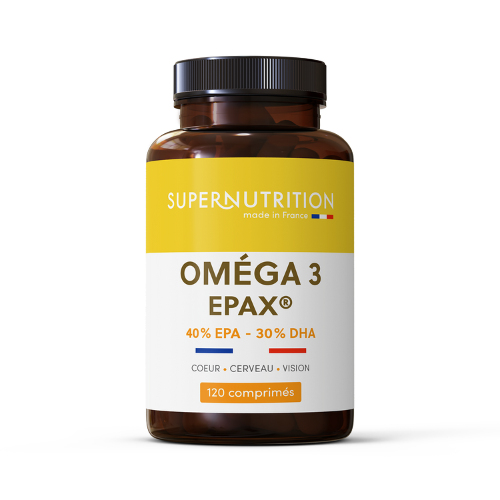
Our expert solution
Our Omega 3 Epax® offers a high-quality solution. This purified product, in triglyceride form, ensures better digestive tolerance. It is rich in essential active ingredients to effortlessly enhance your balanced diet.
See our Omega 3Your lifestyle influences the effectiveness of your treatment. Omega supplementation is more effective when combined with plant-based or animal-based sources such as avocado, eggs, or high-quality rapeseed oil. This synergy optimizes the regular intake your brain needs. (source: Pubmed, 2013)
Should you take omega-3s in the morning?

In short: Omega-3s support mental alertness and concentration. However, taking them in the morning is only beneficial if your first meal contains enough fat to aid digestion. Without fat, DHA doesn't achieve its purpose.
Docosahexaenoic acid, or DHA, plays a key role in the structure of your brain cell membranes. By consuming omega-3 fatty acids in the morning , you send a strong signal to your body to support brain function . This habit helps maintain natural alertness during your activities.
The human body doesn't magically absorb fatty acids. If your breakfast consists only of tea and a rusk, the capsule won't be properly assimilated . Absolutely avoid taking omega-3 on an empty stomach , as the digestive system needs lipids to stimulate bile production.
To optimize their intake in the morning , consume your capsules with a whole yogurt, eggs or a handful of nuts.
Should you take omega-3s in the evening?

In short: Taking your omega-3s in the evening is strategic because dinner is often the meal richest in fats . This ensures optimal absorption of fatty acids and better digestive tolerance during sleep.
Most of us eat a more substantial dinner than breakfast. This meal, containing fats, stimulates the secretion of bile salts from the liver. This biological mechanism allows the fatty acids to be properly broken down for absorption by your body. (Source: Leibniz University, 2025)
Unlike a quick meal upon waking, an evening meal provides a fat-rich environment. Incorporating your supplement at this time supports your long-term cardiovascular health by preventing the fish oil from simply being eliminated without benefit.
Optimal absorption at the end of the day also limits uncomfortable acid reflux . Taking your capsule in the evening allows it to go through the digestion phase while you sleep. This is a practical tip to improve comfort for people with sensitive bowels.
Making your regimen a nighttime habit helps maintain a consistent intake throughout the day. Combining your capsule with a treat during your meal enhances the overall effectiveness of your health plan. This is how regularity produces its best results.
When should you take your omega-3s according to your goals?
In short: Your priority dictates your routine. Prioritize taking your supplement at dinner for heart health, spread it out for inflammatory balance, or take a capsule after exercise for your muscles. The only unchanging rule: always accompany your intake with sufficient fat .
Cardiovascular health
To support your heart and blood pressure, take your capsules with your largest meal , often dinner. This regular intake with a fat-rich lunch facilitates the absorption of EPA and DHA fatty acids for healthy daily heart function.
Joints and inflammation
Looking to address inflammation? We suggest splitting your intake : one capsule with lunch and one with dinner. This strategy ensures better, continuous absorption and allows you to experience the benefits of omega-3 throughout the day and night.
Sport and recovery
After intense physical activity, your muscle fibers need repair. Consume your omega-3s with dinner to promote nighttime muscle repair. This product plays a protective role against oxidative stress, helping your body benefit from truly restorative rest.
Brain and concentration
To boost your concentration and brain function, prioritize breakfast or lunch . This dietary supplement then becomes a valuable ally. Simply be sure to consume eggs or almonds at the same time to ensure optimal absorption of this fatty acid.
| My goal | My recommended timing |
|---|---|
| Heart health | Dinner (a meal high in fat) |
| Joint comfort | Lunch + Dinner (double take) |
| Sports recovery | Evening (after training) |
| Mental alertness | Fatty breakfast or lunch |
The 4 common mistakes to avoid during your treatment
In short: It's common to ruin your treatment. Don't take your capsules on an empty stomach, be consistent every day, protect your bottle from heat, and avoid taking your capsules with a meal that's too low in fat.
Taking omega-3s on an empty stomach remains the most common mistake. This dietary supplement requires the presence of fats to be properly metabolized by the liver. Without bile stimulation, the capsule passes through your digestive system without delivering its fatty acid. Consume your dose with a fatty food.
Frequent forgetfulness directly hinders the effectiveness of your treatment. Your body needs a regular intake to saturate cell membranes and achieve lasting benefits. A recommended course of treatment extends over several months . Skipping doses prevents you from reaching the ideal dosage to stabilize your levels.
Fish oil is extremely susceptible to oxidation . Oxygen and light can turn your product into a rancid mixture, causing undesirable effects. Carefully close your bottle after each use. Store your capsules away from light and heat sources.
FAQ: The expert guide for your frequently asked questions
Can omega-3s cause digestive problems?
Reflux often occurs if you take your capsules on an empty stomach or if the oil is oxidized. Choose Epax quality and take your capsules with food to ensure better digestive tolerance and optimal absorption.
How long does it take to feel the effects of omega-3?
It takes the body approximately three months to saturate cell membranes. If you maintain a consistent omega intake, the first signs of improvement in recovery or skin generally appear between four and eight weeks of treatment.
Can I take my omega-3 supplements with coffee?
Coffee does not prevent the absorption of omega-3, but without concomitant lipid intake, this absorption remains low.
How many omega-3 capsules per day are recommended?
The recommended amount for general health varies between 250 and 500 mg of combined EPA/DHA. For intense physical activity or specific needs, the dosage is often 2 or 3 capsules per day, depending on your current diet.
Is it good to take omega-3 every day?
Yes, daily consumption is beneficial for stabilizing your levels. This regular intake supports brain function and inflammatory balance over time. Unlike vitamin supplements, fatty acids require complete stability.
What are the symptoms of an omega-3 deficiency?
Abnormally dry skin, eye strain, or difficulty concentrating are common signs. A deficiency can also affect mood. Rebalancing your diet, rich in fatty acids, helps support the nervous system.
When should you avoid taking omega-3?
Avoid consuming it before scheduled surgery or if you are taking medication for blood pressure or blood thinning (anticoagulants) without consulting a healthcare professional. Seek advice to safely adjust your omega supplementation.
Quick summary
- The best time to take your omega-3s: during a meal containing fats.
- In the morning if the goal is cognition/concentration.
- In the evening if you want to optimize digestive tolerance or support sleep.
- Take in divided doses morning and evening for an anti-inflammatory effect
Security Council
Before starting any treatment, seek the advice of your doctor.
Want to continue reading?
-
What are the best omega-3 supplements available in pharmacies?
-
Where can I find foods rich in Omega 3?
- How much omega-3 should I take per day?
- What are the benefits of omega-3?
- Omega-3 capsules: how to avoid any danger
- What is the difference between EPA and DHA?
Sources cited in the article:
- Nutrition Research Reviews, 2025 - An overview of national and international long chain omega-3 polyunsaturated fatty acid intake recommendations for healthy populations
- Pubmed, 2013 - Bioavailability of long-chain omega-3 fatty acids
- Leibniz University, 2025 - Bioavailability of EPA and DHA in humans: A comprehensive review


