

In short: EPA and DHA fatty acids act as melatonin regulators and reduce nerve inflammation, thus facilitating a rapid transition to sleep.
Your sleep depends directly on what you provide your brain. Omega-3 fatty acids, particularly DHA (docosahexaenoic acid), make up a major part of your neurons' membranes. They allow for smooth communication between nerve cells, which promotes the relaxation needed before turning off the light.
Science highlights the role of the pineal gland . This small brain structure needs sufficient levels of fatty acids to synthesize melatonin, your sleep hormone. Without these beneficial lipids, production drops, disrupting your internal clock. We also observe that EPA limits the production of inflammatory prostaglandins , responsible for a state of forced wakefulness. Let's take a closer look at the benefits of omega-3 fatty acids for sleep.
Did you know that?
- DHA makes up about 15% to 20% of your brain's total weight.
- Omega-3 deficiency is often correlated with low serotonin levels , a precursor to melatonin.
- The process of falling asleep accelerates when neurons are protected from oxidative stress by these fatty acids.
To support this natural process, we developed Omega 3 Epax . Their high concentration of purified DHA helps stabilize circadian rhythms for deeper rest, free from heavy metals and pollutants.
What are the proven benefits on your sleep architecture?
In short: Regular consumption of omega-3 improves heart rate variability (HRV) and increases the duration of REM sleep for better mental recovery.
Getting a good night's sleep isn't just about closing your eyes for eight hours. Quality depends on the structure of your sleep cycles . Clinical studies indicate that people who consume enough fish oil experience more stable periods of deep, slow-wave sleep. It's during this time that your muscles regenerate and your memories are consolidated.
Omega-3 fatty acids also act on the parasympathetic nervous system . By improving heart rate variability (HRV), they allow your heart to respond better at rest. This results in fewer nighttime awakenings. You wake up feeling truly energized because your brain has completed its full glymphatic drainage cycle.
Comparison of impacts according to profile
| Profile | Major benefit identified | Impact on daily life |
|---|---|---|
| Sporty | Increase in nocturnal HRV | Accelerated physical recovery |
| Anxious profile | Cortisol regulation | Fewer intrusive thoughts in the evening |
| Seniors | Stability of deep sleep | Reduction of daytime fatigue |
Focus 2026: The link between Omega-3 and the endocannabinoid system
In short: Omega-3 EPA and DHA can be converted into molecules that interact with the endocannabinoid system. These interactions are being studied for their potential role in modulating stress and emotional balance.
Omega-3 EPA and DHA can be transformed into molecules called fatty acid ethanolamides . These compounds interact with certain receptors of the endocannabinoid system, a network involved in the regulation of stress and emotional balance.
Research suggests that this pathway may contribute to the observed effects on mood and stress management , but the precise mechanisms are still being studied.
Tips to maximize this calming effect
- Combine your omega-3s with a meal containing healthy fats (avocado, nuts) to boost absorption.
- Maintain a course of treatment for at least 30 days to saturate your cell membranes.
- Opt for oils with a low TOTOX index to avoid any oxidation that would impair the relaxing effect.
How to choose the right Omega-3s to optimize your sleep?
Not all fish oils are created equal. To effectively affect your nervous system, the oil must be absolutely fresh . A Totox index (degree of oxidation) that is too high can cause the opposite effect of inflammation, which would disrupt your rest. We always recommend the triglyceride form, which is much better absorbed by your body than lower-quality ethyl esters.
Labels like Epax guarantee a complete absence of environmental pollutants. For your nights, DHA content is the primary criterion. This specific fatty acid crosses the blood-brain barrier to nourish your brain cells. Also, check that the product complies with EFSA standards for cardiovascular and brain health claims.
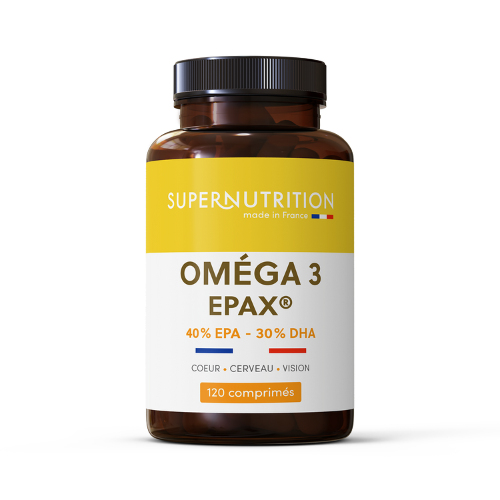
Our expert solution
Our Omega 3 Epax meet these 2026 requirements. They display one of the lowest oxidation indices on the market, guaranteeing maximum purity and effectiveness for your nighttime rest cycles.
See our Omega 3Dosage and timing: When to take them for better sleep?
In short: For restful sleep, consume 2g of omega-3 during dinner to benefit from the synergy with nighttime lipid metabolism.
The question of when to take them often comes up. Although omega-3s don't have the same immediate sedative effect as some herbs, their absorption is optimized when taken with a full meal . The evening seems ideal because lipid digestion is synchronized with the nighttime cell regeneration process. This also avoids the sometimes bothersome reflux that can occur if capsules are taken on an empty stomach.
Nutrition experts recommend combining this with magnesium . While omega-3 fatty acids structure your neurons, magnesium helps with muscle relaxation. This duo forms a solid routine for those who suffer from frequent awakenings or restless legs before sleep.
Your 2026 sleep protocol
- Recommended dose: between 1500mg and 2000mg of combined EPA/DHA per day.
- Key moment : During the evening meal.
- Duration: 3-month course, renewable, especially during seasonal changes.
- Tip: Avoid consuming too much omega-6 (vegetable frying oils) in the evening so as not to compete with omega-3.
Frequently Asked Questions about Omega-3 and Sleep
Is it safe to take Omega-3 supplements in the evening just before going to sleep?
Yes, taking it in the evening is ideal for fat assimilation and nighttime hormone regulation.
How long does it take to feel the benefits of rest?
Allow approximately 3 to 4 weeks of daily intake for the fatty acids to integrate into your cell membranes.
Why combine Magnesium and Omega-3 at bedtime?
This nutritional synergy combines muscle relaxation and the balance of neurotransmitters of calm.
Do Omega-3s cause more intense dreams or nightmares?
DHA lengthens the duration of REM sleep, which can make your dreams more vivid and structured.
Do Omega-3s really help fight sleep apnea?
They do not replace medical treatment but can reduce inflammation of respiratory tissues.
What is the difference between fish oil and algae oil for sleep?
Both sources provide DHA, but fish oil often offers a higher intake of EPA.
Want to continue reading?
Sources:
-
Omega-3 Fatty Acids and Sleep Quality: A Systematic Review and Meta-Analysis of Randomized Controlled Trials. - Dai, Y., & Liu, J. (2022) - Nutrients Review, 2022.
-
Fatty Acids and Sleep Quality: Role of Melatonin and Inflammatory Pathways. - Gromadzka-Ostrowska, J., et al. (2022/2023). - International Journal of Molecular Sciences.
-
N-Docosahexaenoylethanolamine (Synaptamide) and its role in neurogenesis and neuroinflammation. - Kim, HY (2022) - Journal of Lipid Research or Biochemical Society Transactions.


