

The benefits of omega-3s (DHA, EPA) cover cardiovascular health, normal brain function, and inflammation reduction. A course of treatment or a fish oil supplement: a good omega-3 intake remains an asset for the heart.
Key takeaways:
- Omega-3s (EPA and DHA) support cardiovascular health, brain function, and vision.
- ANSES recommends 500 mg/day of EPA + DHA for adults, including 250 mg of DHA.
- A 2024 meta-analysis of 134,144 people confirms a reduction in heart risk with omega-3 supplementation.
- For an effective course of treatment, choose a concentrated oil with a low TOTOX index and EPAX certification.
What are the main benefits of omega-3s?
Omega-3s act on five major health areas: heart, brain, vision, inflammation, and hormonal balance. These essential fatty acids participate in numerous biological mechanisms that the body cannot produce on its own.
EPA (eicosapentaenoic acid) and DHA (docosahexaenoic acid) are the two most active omega-3 fatty acids. ALA (alpha-linolenic acid), a plant precursor, must be converted by the body, but the yield remains below 5% according to ANSES. Marine supplementation becomes useful when fish is lacking in the diet.
Summary table: omega-3s and health benefits
| Health Benefit | Concerned Omega-3 | Recommended Intake |
|---|---|---|
| Normal heart function | EPA + DHA | 250 mg/day (EFSA) |
| Normal brain function | DHA | 250 mg/day (EFSA) |
| Maintenance of normal vision | DHA | 250 mg/day (EFSA) |
| Normal blood pressure | EPA + DHA | 3 g/day (EFSA) |
| Normal blood triglycerides | EPA + DHA | 2 g/day (EFSA) |
| Pregnancy: fetal brain development | DHA | + 200 mg/day (EFSA) |
What do omega-3s do in the body?
Omega-3s are polyunsaturated fatty acids that make up the membranes of every cell in the body. They contribute to cell fluidity, the transmission of nerve signals, and the regulation of inflammation.
Our modern diet suffers from a deep imbalance. The omega-6 / omega-3 ratio often reaches 15:1 in Western diets, whereas the physiological target is around 5:1 according to ANSES. This imbalance maintains a pro-inflammatory state that, in the long term, impacts health.
The human body does not synthesize essential omega-3s. ALA must come from food (rapeseed oil, linseed oil, walnuts, chia seeds). EPA and DHA primarily come from fatty fish and, as a plant alternative, from microalgae. Marine triglycerides remain the form best assimilated by the body.
What are the benefits of omega-3s for the heart?
Omega-3s contribute to normal heart function and the maintenance of normal blood pressure (EFSA claims). Several recent meta-analyses confirm a protective effect on cardiovascular risk.
The meta-analysis published in 2024 in the European Journal of Preventive Cardiology by Dinu et al. aggregated 134,144 participants. It concluded a significant reduction in the risk of myocardial infarction and cardiovascular mortality with omega-3 supplementation, independently of statin intake.
EPA mainly acts on lowering triglycerides and vascular inflammation. DHA supports heart rhythm and the integrity of cardiac cell membranes. The combination of EPA + DHA remains the most versatile formula for daily cardiovascular health.
To learn more about this topic, consult our article dedicated to omega-3s and cholesterol.
Our expert solution
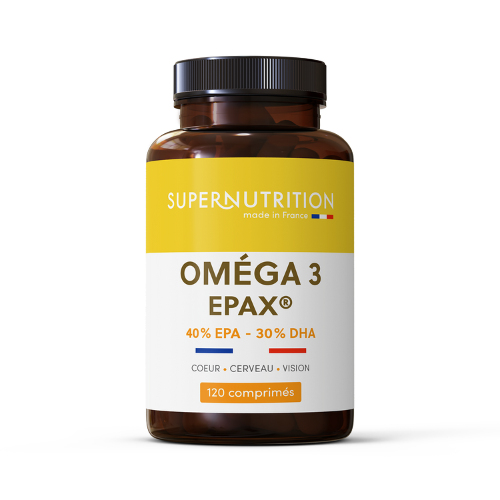
Our Omega-3 EPAX® offers a high concentration of EPA and DHA, in triglyceride form, from certified sustainable fishing. A Made in France solution for the daily needs of your heart and brain.
View our Omega 3What are the effects of omega-3s on the brain and mental health?
DHA contributes to normal brain function. Several recent studies also show a positive effect of omega-3s on mood, stress, and the prevention of depression.
A meta-analysis published in 2025 in BJPsych Open by Idowu et al. analyzed 20 studies and 2,300 participants. It concluded an improvement in depressive symptoms in adults with omega-3 supplementation, especially via EPA. The pooled effect reached a Hedge's g of -0.45, considered clinically significant.
DHA represents more than 90% of the omega-3s present in the human brain. It supports memory, concentration, and cognitive health with age. EPA modulates neuro-inflammation and participates in mood regulation.
Documented benefits for the brain
- Maintenance of normal cognitive health during aging.
- Support for memory and concentration.
- Reduction of depressive symptoms in conjunction with medical follow-up.
- Positive effect on sleep quality in some profiles.
To delve deeper into the subject, read our articles dedicated to omega-3s and depression, omega-3s and the brain, and omega-3s and sleep.
What are the benefits of omega-3s for women?
For women, omega-3s play a special role at three key moments: pregnancy, menopause, and throughout the hormonal cycle. According to ANSES, 50 to 75% of pregnant women in France have an insufficient intake of DHA.
During pregnancy, DHA contributes to the normal brain and eye development of the fetus and breastfed infant (EFSA claim). During menopause, omega-3s support cardiovascular balance and joint comfort, two areas often weakened by the drop in estrogen.
On a daily basis, omega fatty acids contribute to hormonal balance and the regulation of inflammation. French women consume on average less fatty fish than men, according to French dietary surveys (INCA 3), which partly explains these insufficient intakes.
Learn more with our articles on omega-3s and pregnancy and omega-3s and menopause.
What are the benefits of omega-3s for men?
For men, omega-3s support cardiovascular health, athletic recovery, and sperm quality. French men have an earlier cardiovascular risk than women, which makes the topic particularly relevant.
EPA and DHA fatty acids contribute to the maintenance of normal heart function from 250 mg/day. In sports, the anti-inflammatory effect of omega-3s helps with better recovery after exercise and preserves joints stressed by training.
Data also suggests a role for omega-3s in sperm quality (motility, morphology). This area still needs to be confirmed by larger clinical trials, but preliminary results are promising.
What are the best food sources of omega-3s?
Fatty fish remains the primary source of EPA and DHA. Vegetable oils (rapeseed, flaxseed) and oilseeds provide ALA, a precursor partially converted by the body.
Foods rich in EPA and DHA (marine omega-3s)
- Sardine: approximately 1.5 g of EPA + DHA per 100 g.
- Mackerel: approximately 2.5 g of EPA + DHA per 100 g.
- Salmon: approximately 1.8 g of EPA + DHA per 100 g.
- Anchovy: approximately 1.4 g of EPA + DHA per 100 g.
- Herring: approximately 1.7 g of EPA + DHA per 100 g.
Foods rich in ALA (plant-based omega-3s)
- Flax seeds: excellent source of ALA (must be ground for assimilation).
- Rapeseed oil: 8 g of ALA per 100 g.
- Walnuts: approximately 7 g of ALA per 100 g.
- Chia seeds: approximately 17 g of ALA per 100 g.
- Linseed oil: the most concentrated in ALA (store in a cool place).
ANSES recommends two servings of fish per week, one of which should be fatty fish. For vegetarian or vegan diets, supplementation with DHA from microalgae (Schizochytrium sp.) remains the most relevant option. For digestive comfort and absorption, also read our article on omega-3s and the gut.
How to choose an omega-3 dietary supplement?
A good omega-3 dietary supplement combines five criteria: actual concentration of EPA and DHA, low TOTOX index, sustainable fishing certification, triglyceride form, and traceable origin.
Most products on the market display a total oil weight without specifying the actual amount of EPA and DHA. A 1,000 mg oil capsule may contain only 300 mg of active fatty acids. Reading the label is the first reflex before purchasing.
Quality control checklist for your omega-3 course of treatment
- Real quantity of EPA and DHA: aim for at least 500 mg combined per daily dose.
- TOTOX index: ideally less than 10, indicating a low-oxidized oil.
- EPAX standard: Norwegian label guaranteeing purity, molecular distillation, and traceability.
- Triglyceride form: better assimilated than the ethyl ester form.
- Absence of heavy metals: independent tests available on request.
- Origin and encapsulation in France: better quality control.
FAQ: your questions about the benefits of omega-3s
How long does it take for omega-3s to show effects?
The first effects on triglycerides and inflammation often appear after 4 to 8 weeks of regular intake. Benefits for cognitive and cardiovascular health build up over several months. Regularity takes precedence over intensity.
Can you take omega-3s every day?
Yes, daily consumption is recommended. EFSA estimates that an intake of up to 5 g of EPA + DHA per day does not pose a safety concern for healthy adults. Consult your doctor if you are taking anticoagulant medication.
What is the difference between omega-3, 6, and 9?
Omega-3s (ALA, EPA, DHA) and omega-6s (linoleic acid) are essential and must come from the diet. Omega-9s (oleic acid from olive oil) are not essential because the body can produce them. The 6/3 imbalance in modern diets explains the interest in increasing omega-3 intake.
Do omega-3s cause weight loss?
Omega-3s are not a weight loss product. However, they support a more favorable metabolic environment by acting on inflammation and insulin sensitivity. Read our complete article on omega-3s and weight loss for details.
Do omega-3s have side effects?
Omega-3s are well tolerated at physiological doses. Reported side effects remain rare and mild: mild fishy-tasting reflux, minor digestive discomfort, or softer stools at high doses. Choosing an oil with a low TOTOX index and taking it with a meal reduces these inconveniences. At doses above 3 g per day, omega-3s can thin the blood. Consult your doctor if you are taking anticoagulant medication, before surgery, or if you have a known fish allergy.
Which omega-3 is best for menopausal women?
For menopause, a supplement rich in EPA + DHA (at least 500 mg/day) remains relevant to support cardiovascular and joint comfort. Prioritize an oil with a low TOTOX and EPAX certification.
Is it better to take omega-3s in the morning or at night?
The timing matters less than regularity. Taking your supplement with a fat-rich meal improves absorption and reduces fishy-tasting reflux. Morning with breakfast or midday with lunch works very well.
Safety advice
Before starting any omega-3 treatment, seek your doctor's advice, especially if you are on anticoagulant therapy or have bleeding disorders.
Scientific Sources
- Dinu M, Sofi F, Lotti S, et al. Effects of omega-3 fatty acids on coronary revascularization and cardiovascular events: a meta-analysis. European Journal of Preventive Cardiology, 2024;31(15):1863-1875. Link
- Idowu O, Aderinto N, Olatunji G, Kokori E. The Efficacy of Omega-3 Fatty Acid Supplementation for Major Depressive Disorder in Adults: A Systematic Review and Meta-Analysis. BJPsych Open, 2025. Link
- Mattumpuram J, et al. Effect of omega-3 fatty acids on cardiovascular disease risk: A systematic review and meta-analysis with meta-regression. Clinical and Translational Discovery, 2025. Link
- ANSES. Les acides gras oméga 3 — Apports nutritionnels conseillés. Link


