

Key takeaways:
- Metabolic modulation:Omega-3s activate genes responsible for fat burning while limiting the multiplication of adipocytes.
- The 4:1 ratio: Reducing omega-6 (pro-inflammatory) in favor of omega-3 (anti-inflammatory) is the technical prerequisite to unlock a stagnant weight loss.
- Appetite suppressant effect: Oleic acid (omega-9) stimulates the production of OEA, a natural molecule that transmits the gastric satiety signal to the brain.
- Priority EPA/DHA : For visible results, favor marine sources with high concentration (low Totox index) rather than vegetable oils rich in ALA.
Do Omega 3, 6 and 9 really help with weight loss?
In short: Omega-3, 6, and 9 fatty acids don't directly burn calories. They act like metabolic remote controls. Omega-3s stimulate fat breakdown (lipolysis), omega-9s promote satiety, while an excess of omega-6s locks in your fat reserves.
We're not talking about a miracle pill here. Polyunsaturated fatty acids act on your adipocytes , the cells that store fat. Optimized consumption signals to your body that it can release this energy instead of storing it as triglycerides .
Your insulin sensitivity determines how easily you lose weight. Omega-3 fatty acids thin your cell membranes, allowing your hormones to function effectively. Conversely, an inflammatory imbalance slows your metabolism and promotes abdominal fat storage.
| Kind | Main role | Impact on weight loss |
|---|---|---|
| Omega-3 (EPA/DHA) | Anti-inflammatories, improve insulin sensitivity = better cutting, better recovery, better insulin sensitivity. | Very positive |
| Omega-6 | Pro-inflammatory (in excess), necessary in small quantities = to be controlled otherwise inflammation + storage. | Negative if excessive |
| Omega-9 | Monounsaturated fats (olive oil) = support → satiety + glycemic stability. |
Neutral to slightly positive |
👉 To lose weight: increase omega-3, reduce omega-6, keep omega-9.
ANSES confirms that an Omega-3 to Omega-6 ratio close to 1:5 is essential. In 2025, we still observe an average consumption close to 1:15, which explains why many people's progress remains stagnant despite their dietary efforts.
Actionable tips to boost your metabolism:
- Reduce your intake of sunflower and corn oils, which are rich in omega-6.
- Prioritize cold-pressed olive oil (omega-9) for your light cooking.
- Ensure a daily intake of EPA and DHA to reactivate your combustion receptors.
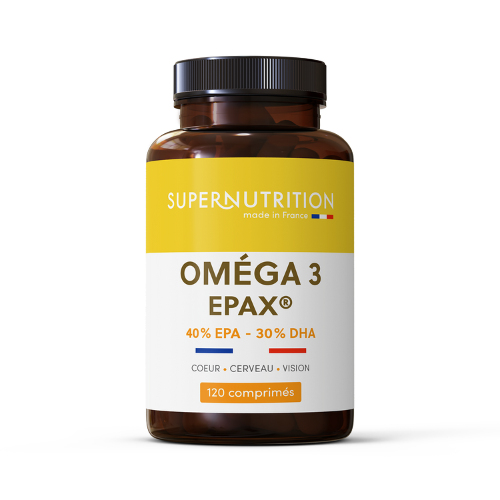
Our expert solution
To reach these quotas without consuming oily fish daily, we designed Omega 3 Epax® Supernutrition. Its extreme purity (very low Totox index) guarantees maximum absorption of fatty acids without heavy metals, supporting your metabolism without polluting your body.
See our Omega 3Omega-3s: the most powerful for weight loss
Omega-3 fatty acids (EPA + DHA) act on 4 major metabolic levers :
1. Reduction of inflammation
Chronic inflammation blocks:
- fat loss
- insulin sensitivity
- the mobilization of fatty acids
EPA is the most active here.
2. Improved insulin sensitivity
- better glucose utilization
- less storage
- better nutrient distribution (more to muscle, less to fat)
This is a huge advantage in a calorie deficit.
3. Increased fat burning
Omega-3 levels increase:
- lipid oxidation
- energy expenditure at rest
- mitochondrial function
EPA + DHA = more “flexible” metabolism.
4. Muscle preservation in deficit
Less loss of lean mass =
- higher metabolism
- better body recomposition
Omega-6: useful but dangerous in excess
Omega-6s are not “bad”, but the modern ratio is catastrophic .
- Ideal ratio: 1:1 to 4:1
- Western ratio: 15:1 to 30:1
Consequences :
- inflammation
- insulin resistance
- easy storage
- Increased hunger (via leptin + cytokines)
To lose weight: reduce omega-6 , especially refined vegetable oils.
Omega-9: neutral but useful
Omega-9 (oleic acid):
- improve satiety
- slightly reduce inflammation
- stabilize blood sugar
They do not cause direct weight loss, but help to maintain a calorie deficit .
Sources: olive oil, avocado, almonds.
The optimal combination for weight loss
1. Increase omega-3 (EPA/DHA)
→ 1 to 2 g/day for a real metabolic effect.
2. Reduce omega-6
→ avoid sunflower, corn, soybean, peanut oils.
3. Keep the omega-9
→ olive oil, avocado, macadamia nuts.
Your questions about fatty acids and diet
Can I lose belly fat just by taking Omega-3s?
No. Omega-3s are not a substitute for a calorie deficit or physical activity. They act as a catalyst to unlock resistance to fat loss by improving your insulin sensitivity. Without a balanced diet, their effect on your waistline will remain invisible.
Is krill oil superior to fish oil for weight loss?
Krill oil offers better bioavailability thanks to its phospholipids, but it often contains less EPA and DHA per capsule. For your figure, an ultra-pure fish oil like Omega 3 Epax® offers a more advantageous concentration-to-price ratio for achieving the necessary metabolic dosages.
Can too much Omega-3 cause weight gain?
Like all sources of fat, omega-3s provide 9 calories per gram. Excessive consumption, well beyond physiological needs, increases your total energy intake. Respect the recommended doses: the goal is cellular health, not calorie accumulation.
How many Omega-3 capsules should I take per day?
- General health: 250 to 500 mg of EPA/DHA.
- Metabolic optimization: 1000 to 2000 mg per day.
- Practical tip: 2 to 3 capsules of Omega 3 Epax® SuperNutrition are sufficient to cover these physiological needs in 2026.
Why do vegans need to monitor their Omega-3 intake for their weight?
Plant-based sources (flax, chia) provide ALA. Your body struggles to convert ALA into EPA and DHA, the active forms for fat breakdown. This lack of conversion can slow the fluidity of your cell membranes and hinder your results during a diet.
Are Omega 6-9 supplements useless in capsule form?
Modern diets already provide too much omega-6 . Adding more through "3-6-9" supplements often worsens inflammatory imbalances. As for omega-9, a single spoonful of olive oil is more than enough. Focus your efforts on pure omega-3 to restore your metabolic balance.
| Quality Indicator | Standard 2026 |
|---|---|
| Totox index (oxidation) | Less than 10 (Epax Guarantee) |
| Environmental certification | Friend of the Sea / IFFO RS |
Scientific source: Marine-Based Omega-3 Fatty Acids and Metabolic Syndrome: A Systematic Review and Meta-Analysis of Randomized Controlled Trials, Nutrients, October 18, 2025.
This study confirms that high doses of EPA/DHA (>2000 mg/day) significantly reduce metabolic markers and inflammation in adipose tissue. Link: https://pubmed.ncbi.nlm.nih.gov/41156531/.


