

Omega-3 consumption is safe if three key areas of vigilance are controlled: the TOTOX index (oxidation), the absence of heavy metals (purity) and the molecular form (Triglycerides vs Ethyl Esters).
A poor quality supplement can be pro-inflammatory rather than anti-inflammatory.
Key takeaways:
- Critical dosage: EFSA recommends a maximum dosage of 5g/day (EPA + DHA) to rule out any increased risk of fibrillation.
- Purity criterion: Demand capsules with a low TOTOX index (<10) to eliminate oxidation, a source of heart problems and nausea.
- Medical alert: A professional consultation is necessary if you are taking blood-thinning medication to avoid any bleeding or unwanted interaction.
- Controlled origin: Opt for small wild-caught oily fish to reduce exposure to pollutants and preserve your immune system.
Are omega-3 capsules dangerous?
No, not for the majority of people . The risks associated with omega-3 fatty acids stem from rancid oil, excessive consumption exceeding 5g per day , or a lack of purity. These factors can transform a health benefit into oxidative stress or cause heart rhythm disturbances.
We must remain vigilant: low-quality products often contain heavy metals or environmental pollutants. These impurities disrupt your body's balance and neutralize the protective effect of lipids. The risk is invisible but real for your long-term well-being.
| Fresh Omega-3 (Benefits) | Oxidized Omega-3 (Risks) |
|---|---|
| Cardiovascular and cognitive health | Oxidative stress and inflammation |
| Optimal lipid absorption | Total biological ineffectiveness |
| Neutral taste and easy digestion | Nausea and a rancid fishy taste |
The main risks associated with omega-3 capsules
Overdosing: Too much omega-3, what are the risks?
Taking a large quantity of capsules does not accelerate results. According to the EFSA (2026), excessive consumption, exceeding 5 g of EPA and DHA per day based on scientific data, is associated with an increased risk of atrial fibrillation . Adhere to the recommended daily dose to protect your heart rhythm.
Digestive problems
Side effects such as loose stools (diarrhea) or nausea often stem from the form of fatty acid used. Less expensive capsules containing ethyl esters are often less well-tolerated by the digestive system than the natural triglyceride form.
Oil oxidation
Poor quality fish oil oxidizes rapidly . These polyunsaturated fatty acids then become dangerous because they generate free radicals .
An independent study ( Journal of dietary supplements, 2023 ) conducted on more than 70 commercially available omega-3 supplements showed that a significant proportion of them exceeded the recommended oxidation thresholds, particularly when flavored (68%).
A high TOTOX index means the oil is rancid: instead of supporting your heart and brain, it can weaken your cells.
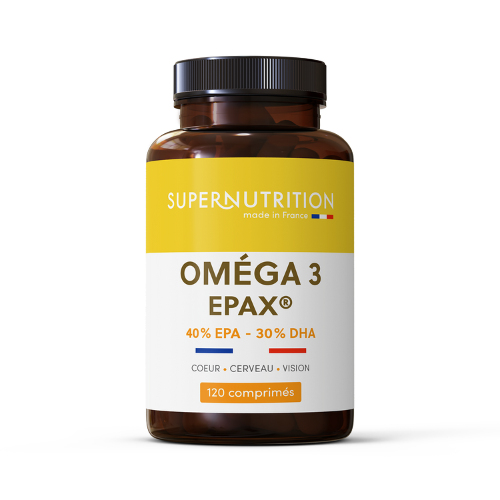
Our expert solution
Choose our Epax® Omega-3 , an ultra-pure solution guaranteed free of heavy metals . Thanks to the Epax patent and a very low TOTOX index , you avoid oxidation and digestive problems. A safe supplement to nourish your body with the best fatty acids.
See our Omega 3Dosage and contraindications: Who needs to remain vigilant?
In short: Following the prescribed dosage prevents the risk of bleeding or arrhythmia . It is contraindicated for individuals on anticoagulant medication or those with seafood allergies.
Omega-3 fatty acids play a role in the proper functioning of our bodies, but their consumption requires a tailored approach for each individual . Excessive intake can affect blood fluidity. Before starting any supplementation, we advise you to assess your personal circumstances.
Interactions and blood fluidity
EPA and DHA affect blood pressure and platelet aggregation. If you are taking an anticoagulant medication , a large amount of fish oil may increase the risk of bleeding. In this case, consulting a doctor is always the safest course of action.
Be vigilant about seafood allergies
An allergy to seafood or shellfish requires extreme caution. Although the oils undergo distillation, allergic reactions or adverse effects remain possible depending on the production method. Always check the marine source used for your capsules.
Surgical precaution
Are you planning a procedure? These fatty acids have a natural blood-thinning effect . Surgeons often ask patients to stop taking any dietary supplements one to two weeks before the operation to limit any undesirable vascular incidents during the healing period.
How to choose safe omega-3 capsules

In short:
- Choose a TOTOX index below 10 to guarantee fresh and stable oil.
- Choose the natural form "triglycerides" for optimal digestive absorption and tolerance.
- Check for independent certifications (IFOS, Epax) guaranteeing the absence of heavy metals.
- Choose oils derived from small wild fish to limit pollutants.
Faced with a multitude of offers, we help you identify the real safety criteria . Selecting a high-quality capsule allows you to enjoy the benefits of omega-3 for your cardiovascular health without exposing your body to toxic residues or oxidized lipids.
The TOTOX index: the freshness measurement
The TOTOX score assesses the oil's oxidation level. To avoid any risk of inflammation, we recommend a score below 10. Rancid oil loses its effectiveness and becomes harmful. This is the number one precaution for omega-3 supplementation without adverse effects.
The triglyceride form vs. ethyl esters
Opt for omega-3s in the form of triglycerides (TG) . This molecular structure is the one naturally found in oily fish. It ensures superior bioavailability and drastically reduces digestive issues and nausea often associated with synthetic forms.
IFOS and Epax certifications
Independent labels like IFOS certify that each capsule undergoes rigorous testing. These certifications validate the EPA and DHA content and guarantee levels of heavy metals, PCBs, and dioxins well below permitted limits. This is a guarantee of absolute safety.
The origin of the fish: small and wild
We recommend choosing oils extracted from sardines, anchovies, or mackerel. Lower on the food chain , these species accumulate far fewer pollutants than large predators like tuna or lower-quality salmon. Traceability of the source remains essential.
Sustainability labels for omega-3 and marine products are a plus, such as Friends of Oceans .
Composition and recommended dosage
Read the label carefully: the amount of EPA and DHA must be clearly stated, not just the total weight of the oil. For cardiovascular prevention and brain health, a moderate daily dose of between 250 mg and 500 mg (source: EFSA, 2012 ) is generally recommended.
Security Council
Before starting any treatment, seek the advice of your doctor.
In summary
Omega-3s are among the most widely consumed dietary supplements. Renowned for their benefits to the heart, brain, and joints, they are often perceived as completely harmless. However, misuse or a product of dubious quality can lead to adverse effects.
FAQ: Your questions about the dangers of Omega-3
How can I tell if my Omega-3 capsules are expired?
If they smell strongly of fish, are cloudy, or sticky, the oil is oxidized. A high TOTOX rating confirms this rancidity: discard them to avoid further oxidative stress.
Do Omega-3s cause nosebleeds?
This is possible in cases of massive overdose or when taken in combination with anticoagulants. Their blood-thinning effect can cause bleeding. Consult a doctor before starting any treatment.
What is the best time to consume Omega-3?
Take them with a high-fat meal to promote EPA/DHA absorption. This also reduces belching and fishy aftertaste.
What are the side effects of omega-3?
Digestive problems, nausea, and loose stools are the most common side effects. These often result from using low-quality or rancid oil. A moderate dose reduces these problems.
How much omega-3 can one take safely?
Up to 5g of EPA/DHA per day is safe to consume. Exceeding this intake increases the risk of heart problems. Stick to 500mg to 1g for optimal daily benefit.
Do omega-3 fatty acids cause diarrhea?
Excessive consumption can indeed accelerate digestion. If this happens, reduce your dosage or opt for the triglyceride form, which is better tolerated by your digestive system.
Want to continue reading?


