

Omega-3 fatty acids help reduce intestinal inflammation , strengthen the digestive barrier, and promote a more balanced gut microbiota. They also support the repair of intestinal tissues , which improves daily digestive comfort.
Opt for omega-3 supplements with a high dosage of EPA.
The benefits of omega-3 on the gut are based on three pillars that directly influence your well-being: the enrichment of your gut microbiota , the reduction of silent intestinal inflammation , and the strengthening of your intestinal barrier .
Are omega-3s beneficial for the gut microbiota?
Yes, current scientific data shows that omega-3 fatty acids have a positive influence on the composition and balance of your gut microbiota. Far from being simple nutrients, they act as modulators of this internal ecosystem, which has direct repercussions on your digestion and overall health.
Their action is not direct like that of fibers, but it is just as crucial for maintaining a healthy and functional intestinal environment.
The indirect prebiotic action of polyunsaturated fatty acids
Omega-3 polyunsaturated fatty acids (PUFAs) alter the environment of your colon . This alteration promotes the growth of certain beneficial bacteria at the expense of others that are potentially pro-inflammatory.
An imbalance in the gut microbiota, or dysbiosis , is often associated with an unfavorable ratio between major groups of bacteria such as Firmicutes and Bacteroidetes . By promoting a healthy balance, omega-3 fatty acids help restore intestinal homeostasis , a state of stability that prevents many digestive discomforts such as bloating .
Stimulation of butyrate-producing bacteria
One of the most notable effects of omega-3s is their ability to encourage the proliferation of specific bacteria such as Akkermansia muciniphila and certain strains of Bifidobacterium . These microorganisms are known for their production of short-chain fatty acids (SCFAs), and more specifically butyrate .
Butyrate is the primary fuel for the cells lining your colon. By nourishing these cells, it helps maintain their integrity and proper function, which is a key factor in healthy digestion.
What type of omega-3 should I choose for my gut?
Choosing an omega-3 supplement shouldn't be left to chance, especially when your goal is digestive health. The quality, purity, and form of the fatty acids directly influence their effectiveness and tolerability. To obtain the described benefits, it's advisable to choose a product that meets strict criteria .
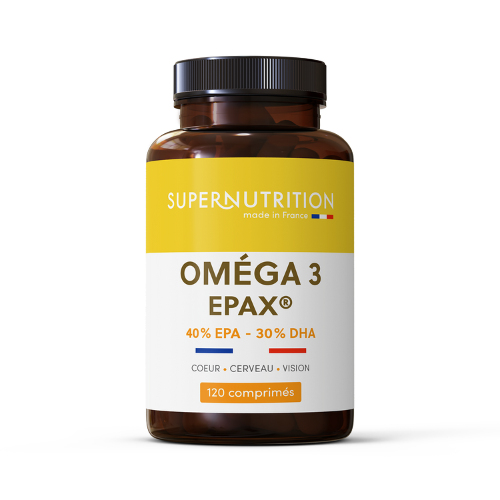
Our expert solution
If you're looking for an option validated by our experts, our Omega-3 EPAX® offers exceptional stability. It's an ideal solution for those who demand optimal concentration combined with certified sustainable fishing.
See our Omega 3Purity and form criteria for sensitive intestines
For people with sensitive stomachs, the quality of fish oil is paramount to avoid discomfort such as reflux or digestive problems. It is recommended to check several points before making your choice.
-
A low Totox index: This index measures the total oxidation of the oil. A low index (<10) guarantees a fresh, non-rancid, and therefore non-pro-inflammatory oil.
-
The Triglyceride (TG) form: This is the natural form of omega-3. It is better absorbed and better tolerated by the digestive system than the synthetic form of ethyl esters (EE).
-
Purity certifications: Labels like Epax® guarantee that the oil has been purified to remove heavy metals, PCBs and other contaminants.
-
A high concentration of EPA/DHA: Check the amount of EPA and DHA per capsule to ensure you are getting an effective dose. The best EPA/DHA ratio for gut health often favors EPA due to its stronger anti-inflammatory action.
How do EPA and DHA reduce intestinal inflammation?
EPA (eicosapentaenoic acid) and DHA (docosahexaenoic acid) are the two main active omega-3 fatty acids that play a major role in managing inflammation. They not only work by masking symptoms, but also by directly intervening in the biochemical cascades that trigger and perpetuate the inflammatory response in your gut.
This action is particularly relevant in the context of an anti-inflammatory diet for the gut .
Inhibition of the pro-inflammatory arachidonic acid pathway
Your modern diet is often too high in omega-6 fatty acids, which are precursors to pro-inflammatory molecules like arachidonic acid. When omega-6s are present in excess, they fuel metabolic pathways, such as the NF-κB pathway, which stimulate the production of inflammatory cytokines . EPA and DHA compete with arachidonic acid.
By taking their place in your cell membranes, they limit the production of these inflammatory mediators, thus helping to soothe low-grade chronic intestinal inflammation .
The role of resolvins in the active resolution of inflammation
The action of omega-3 fatty acids goes beyond simple inhibition. Your body uses them to produce specialized molecules called Specialized Pro-Resolution Mediators (SPMs), including resolvins and protectins. Unlike conventional anti-inflammatories that block the response, these molecules actively orchestrate the end of inflammation.
They help clear cellular debris , reduce the infiltration of immune cells, and restore tissues to their normal state. This active resolution process is a protective mechanism that makes a real difference to the health of your intestinal lining.
Do omega-3 fatty acids strengthen the integrity of the intestinal barrier?

Yes, omega-3 fatty acids contribute significantly to maintaining the integrity of your intestinal barrier . This barrier is a thin layer of cells lining your intestine that acts as a selective filter. When it is weakened, this is called intestinal hyperpermeability or "leaky gut syndrome".
This phenomenon allows unwanted substances to pass into your bloodstream, causing systemic inflammation and various health problems.
Regulation of tight junctions to limit permeability
The cells of your intestinal wall are linked together by protein complexes called tight junctions . These junctions, which include proteins like occludin and zonulin , act as a cement that ensures the cohesion of the barrier.
Studies show that EPA and DHA help strengthen the expression and localization of these proteins. By reinforcing these junctions, omega-3s make the barrier less permeable and more resistant, a crucial point if you are looking to repair the intestinal wall naturally .
(source: European Journal of Nutrition, 2023 )
Reducing the passage of toxins such as lipopolysaccharides
A direct consequence of strengthening the intestinal barrier is a reduction in the passage of bacterial toxins, particularly lipopolysaccharides (LPS) . LPS are components of the cell wall of certain bacteria that, once in the bloodstream, trigger a strong immune and inflammatory response. This phenomenon, called metabolic endotoxemia , is linked to many chronic diseases. By limiting LPS passage, an omega-3 supplement for intestinal permeability helps reduce this systemic inflammatory burden at its source.
To support the action of omega-3, here are 3 habits to incorporate into your daily routine to strengthen your intestinal barrier:
-
Adopt a diet rich in prebiotic fibers: Consume vegetables, fruits and legumes to feed the good bacteria that produce butyrate.
-
Manage your stress: Chronic stress increases intestinal permeability. Practices like meditation or heart coherence can help.
-
Limit pro-inflammatory foods: Reduce your consumption of refined sugars, trans fats and ultra-processed foods that damage your intestinal lining.
What is the impact of omega-3 on the gut-brain axis?
The latest research, dating from 2024 and 2025, highlights a fascinating connection between omega-3 fatty acids, your gut, and your brain. This gut-brain axis is a two-way communication pathway that explains why your digestive state can influence your mood, and vice versa. Omega-3 fatty acids appear to be key regulators of this complex dialogue.
(Source: Molecules, 2024 )
The influence of lipids on communication via the vagus nerve
The enteric nervous system , often called our "second brain," constantly communicates with the main brain via the vagus nerve. Metabolites produced from omega-3 fatty acids by your gut microbiota can modulate these signals.
For example, they influence the production of neurotransmitters like serotonin, 90% of which is produced in your gut. Improved communication along this axis can lead to a reduction in visceral hypersensitivity, a common symptom in irritable bowel syndrome (IBS) .
The balance of the omega-6/omega-3 ratio and digestive anxiety
Anxiety and digestive problems often feed off each other. An imbalance in the omega-6/omega-3 ratio , favoring pro-inflammatory omega-6s, can exacerbate low-grade inflammation, not only in the gut but also in the brain. This neuroinflammation is increasingly associated with mood disorders.
By rebalancing this ratio, omega-3s help to soothe both intestinal inflammation and its impact on your mental state, thus reducing the vicious cycle of digestive anxiety.
FAQ: Frequently asked questions about omega-3 and the gut
Can omega-3s cause digestive problems?
Yes, in high doses they can cause loose stools or mild diarrhea, especially in sensitive individuals. Starting with a small dose and gradually increasing it improves tolerance, as does taking them with food.
How long does it take to feel the digestive effects?
The benefits usually appear after 4 to 8 weeks of daily intake, once the inflammation has decreased and the microbiota has rebalanced.
Can omega-3 and probiotics be combined?
Yes, and it's even a synergistic combination: probiotics provide good bacteria, while omega-3s improve the intestinal environment which promotes their implantation.
Want to continue reading?
Security Council
Before starting any treatment, seek the advice of your doctor.


