

The liver is a central organ for detoxification and metabolic balance in your body. But did you know that the benefits of magnesium also play a crucial role in its proper functioning?
This mineral supports cell regeneration and liver protection.
Key takeaways:
-
Magnesium is involved in energy production and hundreds of enzymatic reactions, including in the liver.
-
It supports liver detoxification by helping to produce glutathione, a powerful antioxidant.
-
This nutrient helps regulate sugar and fats , thus limiting the burden on the liver.
-
A magnesium deficiency can promote inflammation and hepatic steatosis (fatty liver disease).
What is the general role of magnesium in the body?
Magnesium is an essential mineral for the proper functioning of your body. It acts as a cofactor, or assistant, in more than 300 enzymatic reactions . These reactions are the basis of many vital processes, such as the production of energy in the form of ATP, which fuels each of your cells.
Without sufficient intake, your energy metabolism cannot function optimally.
Beyond providing energy, this nutrient is a cornerstone of your nervous system , where it contributes to the transmission of nerve impulses and relaxation. It is also known for its effect on muscle contraction, helping to prevent cramps.
Furthermore, it plays a leading role in regulating glucose metabolism and
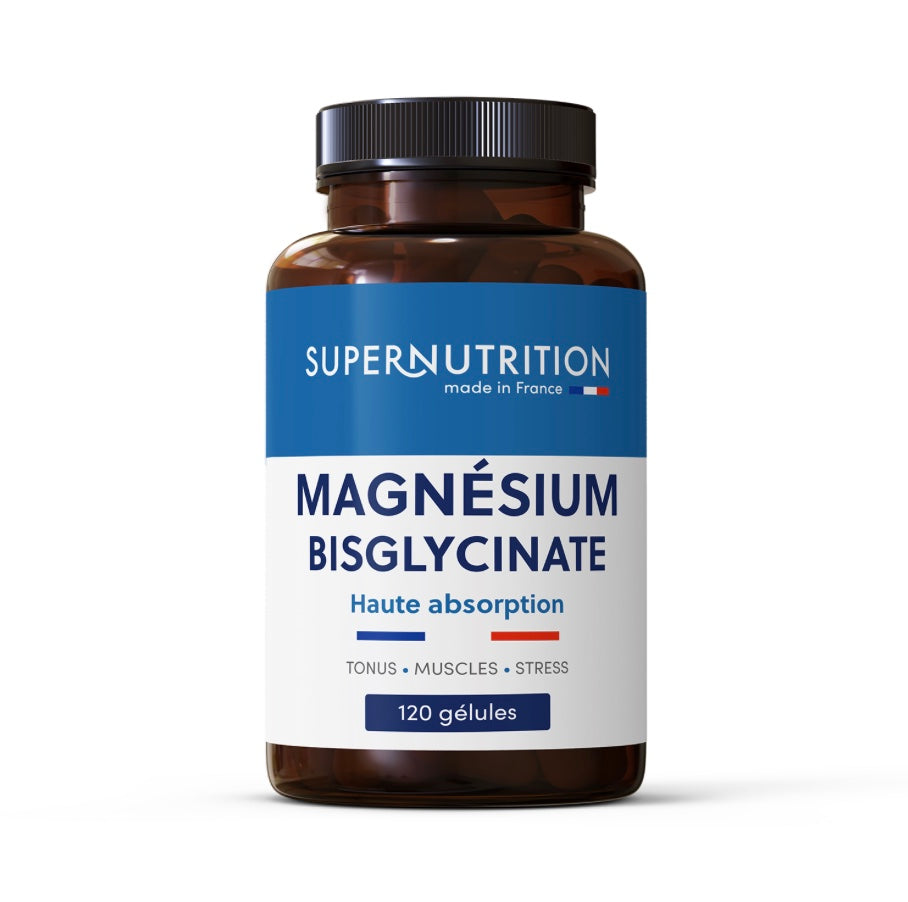
Our expert solution
Opt for Magnesium Bisglycinate , a highly absorbable supplement that helps reduce fatigue, support the nervous system and promote muscle relaxation.
See our Magnesium BisglycinateThe direct link between magnesium and liver health
The liver and magnesium have a close and beneficial relationship. This vital organ depends on this mineral to perform several of its daily tasks, including the management of toxins and nutrients.
An adequate intake of magnesium therefore helps to actively support liver function and protect it against damage.
Magnesium supports liver detoxification
Your liver is the body's main detoxification station. To neutralize and eliminate toxins, it uses an arsenal of enzymes and molecules. Magnesium plays a direct role in this process, as it is necessary for the synthesis of glutathione .
Glutathione is one of the most powerful antioxidants produced by the body, and it is particularly concentrated in the liver. It helps neutralize free radicals, unstable molecules generated during liver detoxification , thus protecting liver cells from damage.
Its role in regulating sugar and fats
The liver is also the organ that manages the storage of sugar in the form of glycogen and regulates lipid metabolism . Magnesium improves sensitivity to insulin , the hormone that allows sugar to enter cells to be used as energy.
By optimizing insulin action, magnesium helps prevent excessive sugar buildup in the blood , thereby reducing the liver's workload and limiting its conversion to fat. This preventative action is beneficial in avoiding fatty liver disease .
A magnesium deficiency can affect liver function
A magnesium deficiency is not insignificant for your liver. When intake is insufficient, this organ's ability to defend itself and function properly decreases.
This situation can open the door to metabolic imbalances and chronic inflammation, weakening your overall health.
What are the consequences of a magnesium deficiency?
A magnesium deficiency can lead to silent liver inflammation, sometimes visible as elevated liver enzymes (transaminases) in blood tests. It also promotes the accumulation of fat in liver cells, a phenomenon that can develop into non-alcoholic fatty liver disease.
The liver cells' ability to regenerate is also reduced, making the organ more vulnerable to toxins. In the long term, this deficiency can increase the risk of developing metabolic syndrome , a condition characterized by overweight , high blood pressure , and lipid disorders.
What factors contribute to a deficiency?
Several aspects of our modern lifestyle can deplete your magnesium reserves and, consequently, indirectly affect your liver. It's wise to identify these factors in order to manage them more effectively:
-
Chronic stress , which increases urinary magnesium excretion.
-
Regular alcohol consumption disrupts the absorption and metabolism of this mineral.
-
Certain medications , such as diuretics or stomach protectants (antacids), can reduce its absorption.
-
An industrial diet , often rich in refined products and poor in raw foods containing magnesium.
The benefits of magnesium intake for the liver
Ensuring adequate magnesium intake offers numerous benefits for maintaining a healthy liver. This mineral acts as both a protector and a regulator , helping your liver remain functional and resilient to the challenges of daily life.
Reducing oxidative stress to protect the liver
Magnesium acts as a shield for your liver cells . By participating in the production of antioxidants like glutathione, it helps neutralize free radicals.
These aggressive molecules are generated by normal metabolism, but also by exposure to pollution, an unbalanced diet or alcohol.
By limiting this oxidative stress , magnesium helps prevent cellular damage and premature aging of the liver.
Support for liver cell regeneration
Your liver has an impressive repair capacity. Magnesium plays a role in this process, as it is involved in the synthesis of proteins and DNA, essential steps for the creation of new, healthy cells.
An optimized magnesium status therefore promotes the repair of liver tissues after inflammation or intoxication, which helps to maintain a functional and efficient liver in the long term.
What forms of magnesium are good for liver health?
Not all magnesium supplements are created equal. For effective liver health support, it's best to choose forms that are easily absorbed by the body and gentle on the digestive system.
The goal is to ensure that the mineral reaches your cells without causing unwanted side effects, such as intestinal problems.
Comparative table of forms of magnesium
To help you see things more clearly, here is a table that compares the most recommended forms for liver support.
|
Form of magnesium |
Bioavailability |
Specific benefits for the liver |
|---|---|---|
|
Very high |
Excellent digestive tolerance, ideal for long-term supplementation without irritating the intestines. The associated glycine has a calming effect and supports detoxification. |
|
|
Magnesium citrate |
High |
Good absorption and aids in energy production. May have a mild laxative effect at high doses, which can be useful occasionally but requires monitoring. |
|
Magnesium malate |
High |
Malic acid is involved in the Krebs cycle (energy production). This form is often recommended in cases of fatigue associated with sluggish liver function. |
Summary of the benefits of magnesium for your liver
To summarize, magnesium actively participates in the protection and metabolism of the liver . It supports detoxification mechanisms, helps regulate the metabolism of sugars and fats, and contributes to limiting inflammation and oxidative stress that can damage liver cells.
A deficiency can weaken liver function , while a good magnesium balance, obtained through diet and, if necessary, quality supplementation, helps support cell regeneration. Taking care of your magnesium levels is also taking care of your liver: a small step with big effects on your overall health.
FAQ: Your questions about magnesium and the liver
Can magnesium help repair a liver damaged by alcohol?
Magnesium supports liver function and antioxidant production, but it does not "repair" severe damage. Its role is preventative and must be part of a healthy lifestyle, ideally under medical supervision.
Can the benefits of magnesium on the liver be felt directly?
No, the benefits are indirect. You might notice better energy or better sleep, signs of a better-supported metabolism, but you won't directly "feel" your liver functioning differently.
Do I need to take any precautions if I am undergoing treatment for liver disease?
Absolutely. If you have liver disease or are taking medication, always consult your doctor before starting any supplement regimen. Only a healthcare professional can confirm the absence of interactions and the safety of the supplement for you.
Is a diet rich in magnesium sufficient to support my liver?
That's the basics! For most people, a diet rich in green vegetables, nuts, and seeds is sufficient. Supplementation becomes a useful support in cases of dietary imbalance, chronic stress, or increased needs.
Want to continue reading?
- Discover the link between osteoarthritis and magnesium
- Is magnesium good for memory?
- Migraine: Is magnesium the solution?
- Can I take magnesium if I have glaucoma?
-
Does magnesium promote hair growth?
- Breastfeeding and magnesium
- Magnesium and pregnancy: what you need to know
- Can magnesium relieve irritable bowel syndrome?


