

In short: A 2011 study shows that a high EPA intake (1050 mg) is particularly effective for people whose depression is not accompanied by anxiety disorders . The results show that for this specific group (approximately half of the patients tested), depressive symptoms decreased significantly.
This suggests that omega-3s target specific biological mechanisms , such as neuroinflammation, which are at the heart of certain forms of depression.
In depressions with anxiety, the effect of omega-3 is less consistent .
How do Omega-3 EPAs influence your mood?
In short: EPA targets neuroinflammation to free the circulation of mood neurotransmitters like serotonin.
The brain is the fattiest organ in the human body. To function, it uses specific lipids that structure its membranes. Eicosapentaenoic acid (EPA) acts as a natural regulator. Its main role is to calm the inflammatory signals that sometimes overwhelm the nervous system.
When your brain cells experience invisible inflammation , communication between neurons slows down. Molecules associated with pleasure and serenity circulate less efficiently. By providing a sufficient dose of EPA, you help your membranes regain their original fluidity. This facilitates the transmission of internal chemical messages essential for your daily well-being.
Did you know that?
EPA is often called the "morale soldier" because it not only builds the brain but also actively protects the integrity of your cognitive functions against oxidative stress and external aggressions. Its ability to cross the blood-brain barrier makes it particularly effective.
Why does the Lespérance study (2011) change our view of depression?
In short: Science shows that a dose of 1050 mg of EPA is particularly effective in supporting mood, especially in the absence of anxiety disorders.
This pioneering research, conducted on 432 people, shows that we are not all equal when it comes to supplementation. The results highlight that the impact of fatty acids varies according to your psychological profile . People experiencing a period of "pure" low mood, without associated anxiety, observe the clearest benefits.
The study shows that for about half of the participants, signs of distress significantly decreased after eight weeks of the protocol. This finding helps us better understand your needs. If your difficulties manifest as a lack of motivation and drive rather than nervousness, omega-3s become your best allies.
Impact depending on the nature of the emotional profile
| Profile observed | Response to Omega-3 | Suspected mechanism |
|---|---|---|
| Low mood (without anxiety) | Significant and quick | Direct action on neuroinflammation |
| Associated anxiety disorder | Moderate | Dominant stress (cortisol) axis |
| Mild to moderate depression | Effective support | Membrane rebalancing |
Inflammation: the missing link between your body and your thoughts
In short: The absence of anxiety suggests a decline in mood linked to an inflammatory origin, an area where omega-3 fatty acids excel.
Why do non-anxious individuals respond better? Science offers a logical explanation: the "inflammatory theory." For many researchers, a low mood without intense stress is often a sign of brain inflammation that fatigues the body. Omega-3 fatty acids, acting like fire extinguishers, then target the root cause of the discomfort.
Conversely, anxiety triggers a greater release of hormones like cortisol. Omega-3 fatty acids can still help, but they then have to contend with a nervous system already under constant strain. By carefully managing your fat intake, you directly influence the biological source of your emotional well-being, without overwhelming your natural receptors.
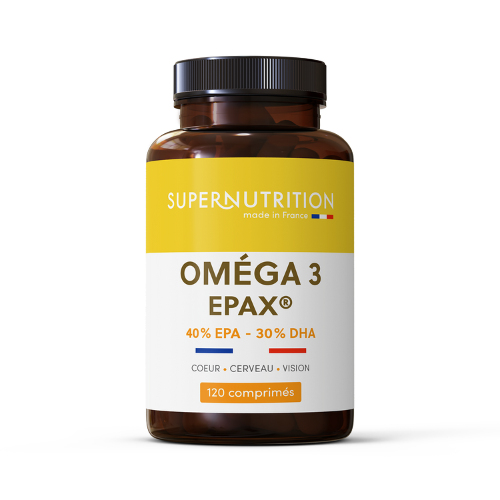
Our expert solution
To precisely meet these criteria, we recommend Omega 3 Epax . Their profile, rich in purified EPA, corresponds to the concentrations used in the most rigorous studies, guaranteeing targeted support for your darkest days.
See our Omega 3What type of Omega-3 should I choose to influence emotional balance?
In short: A high EPA ratio, a triglyceride form and a low TOTOX index guarantee the biological efficiency needed for your mood.
Not all oils are created equal. The Lespérance study used 1050 mg of pure EPA per day . To achieve such a high dose, the quality of the extraction is your top priority. An oxidized or rancid oil loses its benefits and can even increase brain inflammation, producing the opposite of the effect you're looking for.
Always look for the Epax label . It guarantees perfect filtration of environmental pollutants and heavy metals. The "Triglycerides" form is also preferable because it respects the natural structure of fats that your body recognizes and absorbs easily, unlike cheaper but less easily absorbed synthetic products.
Our Omega 3s boast exceptional purity with a freshness index (TOTOX) among the best on the market (<3). This rigorous approach ensures that each capsule delivers its fatty acids intact to your neurons for lasting effectiveness.
Protocol and tips: how to maximize your results?
In short: An 8-week course, taken with a meal and a rigorous dosage of at least 1 gram of pure EPA will transform your experience.
Patience is your ally. Renewing the membranes of your nerve cells takes time. Science identifies a period of eight weeks to stabilize blood lipid levels and observe a real change in your daily mood. Occasional use would not be enough to saturate your receptors.
Always take your capsules with a meal containing some fat (such as an egg or almonds). Omega-3 fatty acids are better absorbed by the body when accompanied by other dietary fats. This stimulates digestion and prevents nutrient waste during intestinal absorption.
Our tips for a successful treatment:
- Aim for a daily intake of 1000 mg to 1200 mg of EPA for emotional profiles.
- Take your capsules at breakfast or lunch for action throughout the day.
- Avoid excess omega-6 (sunflower or soybean oils) which prevent omega-3 from working properly.
- Keep your container away from light and heat to preserve the freshness of the oil.
- Continue the treatment for 2 to 3 months, especially during difficult seasonal transitions.
Frequently asked questions about Omega-3 and mood
Are Omega-3s effective if I am naturally very anxious?
For people whose sadness is accompanied by constant nervousness or panic attacks, the biological mechanisms are different. Anxiety is more dependent on the regulation of cortisol (the stress hormone). While omega-3 fatty acids support your neurons, in this specific case they benefit from being combined with other nutrients such as magnesium or California poppy for complete relief.
Why should EPA be preferred over DHA for mood?
DHA is the architect that builds the structure of your brain, while EPA is the regulator that manages its balance daily. Research shows that a high dose of EPA helps normalize disrupted chemical signals during periods of low mood. That's why we recommend highly concentrated EPA formulas for emotional needs.
Can I stop my usual treatment in favor of Omega-3?
We recommend considering fatty acids as a complementary nutritional pillar. If you are already undergoing treatment, speak to your healthcare provider. Omega-3 intake can often be safely integrated into your current routine to optimize your overall well-being and naturally support your nervous system.
What is the best time of day to take Omega-3?
Taking your capsules with lunch avoids any digestive discomfort. Furthermore, the fatty acids consumed during the day help stabilize your emotional energy levels until evening. Daily consistency remains the golden rule for observing positive changes after a few weeks of use.
Is algae oil as effective as fish oil for mood?
For vegetarian diets, algae oil provides essential support for brain structure. However, to reach the 1050 mg EPA dosage identified by science for mood, purified wild fish oil remains the most suitable source. Our Omega 3 Epax guarantees this high level of EPA without compromising on fishing ethics.
Is there a risk of Omega-3 overdose?
The body efficiently manages essential fatty acids from quality sources. Current safety standards allow for consumption of up to 5g of combined EPA/DHA without risk to the general population. By following our usage protocol, you can confidently enjoy the benefits for your psychological well-being.
Want to continue reading?
Source cited in the article: Lspérance, F., et al. (2011). The efficacy of omega-3 supplementation for major depression: a randomized controlled trial - J Clin Psychiatry.


