

Recent research shows that omega-3s can reduce certain hot flashes, improve mood, support the heart, help modulate the inflammatory response, and aid sleep during menopause .
These effects are linked to the decrease in estrogen and the increase in inflammatory stress.
What are the benefits of Omega 3 on the symptoms of menopause?
The benefits of omega-3 fatty acids can help some women better manage menopause by supporting mood, cardiovascular health, and sometimes sleep, although their effects on hot flashes remain highly variable. Their strongest benefit relates to the heart , while other effects depend heavily on each individual and their lifestyle.
Hot flashes: a variable impact
Research shows that the effect of fish oils on night sweats remains inconsistent . While some studies indicate a slight decrease in intensity, these fatty acids do not replace medical supervision . Their effect on vasodilation appears to vary from woman to woman.
Mental health and mood disorders
Mood often fluctuates with the drop in hormones. Omega-3 fatty acids, primarily EPA , play a role in communication between your neurons. They support your psychological well-being during this transitional period, although results depend on your overall lifestyle.
Sleep and nighttime recovery
Evidence of a direct effect on menopausal insomnia is still lacking in scientific rigor. The perceived benefits often stem from reduced stress or improved temperature regulation at night, which indirectly contributes to better quality sleep.
Cardiovascular health: the major benefit
This is the role best established by health authorities. Menopause alters your heart risk profile. Regularly consuming DHA and EPA helps maintain normal heart function and healthy blood pressure. These fats affect the fluidity of your blood.
Summary of scientifically observed effects
| Symptom | Action of Omega 3 | Level of scientific evidence |
|---|---|---|
| Hot flashes | Regulation of thermogenesis | Moderate to mixed |
| Mood disorders | Neurotransmission support | Possible / Variable |
| Sleep disorders | Indirect relaxing effect | Weak |
| Heart health | Protection of arterial walls | High (EFSA standards) |
Our expert solution
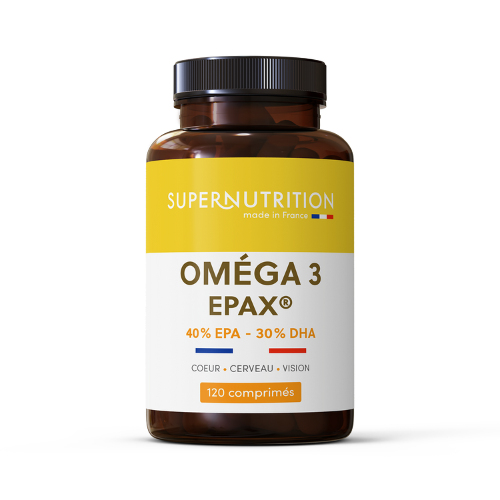
To complement your diet, quality oil is your best ally. SuperNutrition's Epax® Omega 3 oil offers a highly pure, marine-based concentration, filtered to eliminate any polluting residues. It's a reliable complementary choice to protect your daily balance without compromise.
See our Omega 3Sophie's feedback on our Omega 3 supplements on 5/11/2023:
Very happy with the benefits of these capsules...especially now that I've reached menopause...
Menopause: Understanding the Changes at Play
Our data show that higher levels of omega-3, particularly EPA and DHA, are associated with decreased insulin resistance and improved body composition in women.
Dr. Chaolin Huang, gynecologist, 2022.
A gradual hormonal transition
A menopausal woman's body gradually produces less estrogen and progesterone .
These chemical messengers normally regulate dozens of functions , from the elasticity of your skin to the strength of your bones and your daily mood. This decline alters your fat metabolism and your thermal comfort.
Every woman experiences this transition in her own unique way . Some navigate this period with ease, while others face profound changes. Understanding that your body is seeking a new balance helps you choose the right eating habits or a suitable supplement to minimize any discomfort.
The most common symptoms

Hot flashes remain the most well-known symptom . Often experienced as waves of intense heat, they are frequently accompanied by restless sleep and night sweats.
These repeated interruptions to your rest take a toll on your mood and energy levels upon waking. You may also experience unusual irritability or a decline in your short-term memory. This phenomenon, sometimes called "brain fog," affects your daily confidence.
Accumulated fatigue and mood swings directly affect your quality of life . While some use soy-based plants or other sources of phytoestrogens to mimic the action of hormones, other natural solutions exist.
Nutrition plays a key role here. Supporting your nervous system with the right nutrients helps stabilize these uncomfortable sensations linked to hormonal upheaval.
Omega-3 and insulin sensitivity: The overlooked factor
The natural increase in insulin resistance
The sudden drop in your hormones leads to a redistribution of body fat towards your abdominal area. Your body then processes blood sugar less efficiently. Scientific research has established a strong link between this hormonal shift and a decrease in your cells' responsiveness to insulin.
Action of fatty acids on your metabolic receptors
These lipids stimulate specific receptors deep within your tissues, called PPARs . Their presence improves the quality of your cell membranes. This action helps your cells better absorb glucose , providing gentle but real support to your overall metabolism, especially in an active lifestyle.
A path to your overall health
Researchers are increasingly interested in the link between marine fats and blood sugar levels. While these nutrients aren't a cure for weight gain, they do help protect your arteries . Combining sufficient EPA intake with regular physical activity stabilizes your metabolic response in the long term.
What dosage of omega-3 is recommended during menopause?
A dosage tailored to your needs
There is no single dose that works for all women. A basic intake often starts around 250 mg to 500 mg per day to support heart health. To more effectively address the discomfort associated with hormonal changes, research suggests amounts between 1000 mg and 2000 mg of combined EPA and DHA.
The importance of the EPA and DHA ratio
Reading the label on your product remains the number one reflex. A fish oil may seem rich without containing enough active ingredients. Opt for supplements that specify the exact milligrams for each omega fatty acid. EPA has beneficial properties for mood , while DHA is more helpful in supporting your memory and vision .
Establishing a long-term routine
The effectiveness of a dietary supplement depends on the regularity of your intake . Essential fatty acids are integrated into your cells in just a few weeks. Taking them daily with main meals facilitates their absorption by your body and reduces the potential for acid reflux that can be common with lower-quality oils.
Consult to personalize
If you are already taking medication for your heart rhythm or blood pressure, discuss this with your doctor. A healthcare professional will help you determine the correct dosage . This step ensures that these valuable nutrients support your well-being without interfering with your other ongoing treatments. A varied diet remains the foundation of your vitality during this time.
Depending on your goal: what can you expect from omega-3?
Managing mood and psychological balance
Mood often fluctuates during middle age. Incorporating marine fatty acids rich in EPA can help stabilize your well-being . These fats contribute to the flexibility of your nerve membranes, relieving tension. Generally, it takes two to three months of regular intake to see a real change.
Alleviating hot flashes
Reducing these sudden temperature spikes remains a priority for many. While some research suggests a decrease in the frequency of attacks, the overall results remain scientifically uncertain . Effectiveness varies from woman to woman depending on the nervous system's responsiveness to these protective lipids.
Aim for comprehensive and protective support
To improve heart and tissue health, adopt a long-term perspective . The anti-inflammatory properties of fish oil are best realized within a healthy lifestyle. While fat intake may not directly lead to weight loss, it improves your metabolism and supports your body day after day.
FAQ: Your questions about Omega 3 and menopause
Are there any contraindications to Hormone Replacement Therapy (HRT)?
Omega-3 fatty acids and HRT are compatible . These marine fats do not contain hormones and do not interfere with your medication. On the contrary, they support your cardiovascular health, an important factor to monitor when taking HRT. If you are taking blood thinning medication, consult your doctor before increasing your dosage.
Is it better to take Omega 3 in the morning or in the evening?
The time of day has little influence on their effectiveness. The determining factor remains the presence of fats in your diet at the time of intake. Take your capsules with your main meal, whether it be breakfast or dinner, to ensure maximum absorption by your body.
Can supplements be replaced by simply consuming oily fish?
It is possible to meet your needs through diet by consuming oily fish two to three times a week (sardines, mackerel, salmon). However, a dietary supplement can guarantee a precise and consistent daily dose, without exposure to the heavy metals that some large wild fish can accumulate.
Do omega-3s reduce hot flashes?
Science shows mixed results . For some women, a three-month course of supplementation reduces the frequency or intensity of hot flashes. For others, the effect is minimal. This benefit seems to depend on your individual response and the dosage used.
What type of omega-3 should I choose during menopause?
Opt for oils in triglyceride form , which are more easily absorbed than ethyl esters. Ensure the product has a low TOTOX index (a sign of freshness) and a clear EPA and DHA content. Certifications like the Epax label guarantee optimal purity and freedom from marine pollutants.
Are omega-3s beneficial for mood?
EPA plays a recognized role in mental well-being . At this stage of life, these fatty acids contribute to the structure of your neurons and promote serotonin transmission. Regular intake helps stabilize mood swings and feelings of psychological distress.
Which foods contain the most EPA for menopause?
The richest sources are marine: sardines, mackerel, herring, anchovies, and cod liver. Although flax seeds and walnuts contain plant-based omega-3 fatty acids (ALA), their conversion to EPA by your body remains limited. Prioritize smaller fish to limit your intake of pollutants.
What are the side effects of an Omega 3 overdose after age 50?
Exceeding the recommended doses may cause mild digestive discomfort, such as nausea or loose stools. At very high doses (more than 3 grams per day), the oil can excessively thin the blood, hence the importance of following the dosage instructions on your bottle.
Does Omega 3 help against osteoporosis in early menopause?
DHA plays a role in calcium retention by bones. By limiting the mechanisms of silent inflammation that accelerate bone loss, omega-3 fatty acids help prevent osteoporosis. They do not replace vitamin D or calcium, but act as a complement to maintain your mineral density.
What is the impact of Omega 3 on vaginal dryness?
The drop in estrogen weakens the mucous membranes. These healthy fats contribute to the suppleness and hydration of your cellular tissues from within. While the evidence doesn't yet support a targeted effect, many women report improved overall comfort after several weeks of supplementation.
Security Council
Before starting any treatment, seek the advice of your doctor.
Our related articles:
Recent scientific sources:
- Effects of Omega-3 Polyunsaturated Fatty Acids Intake on Vasomotor Symptoms, Sleep Quality and Depression in Postmenopausal Women: A Systematic Review
- A systematic review on the impact of nutrition and possible supplementation on the deficiency of vitamin complexes, iron, omega-3-fatty acids, and lycopene in relation to increased morbidity in women after menopause


