

The benefits of omega-3s enhance the appearance of your skin. Fatty fish oil deeply nourishes the body. This natural mechanism is ideal for dry skin or sensitive skin. Skin biology directly depends on this essential lipid nutrition.
Key takeaways:
- Massive measured deficit: A recent clinical cohort (Guertler, 2024) conducted on 60 patients reveals that 98.3% of profiles with imperfections show a severe lack of EPA/DHA.
- Anti-redness mechanism: EPA competes with arachidonic acid. It directly blocks the production of leukotrienes B4 responsible for swelling.
- Intracellular hydration: These fatty acids stimulate the natural production of ceramides. This action strengthens the skin barrier to retain water long-term.
- Validated dosage: Experts recommend a daily intake of 1000 mg to observe visible results on skin hydration.
Optimal membrane fluidity for skin hydration
Your cells use polyunsaturated fatty acids to build their membranes. A membrane rich in omega-3s gains fluidity and selective permeability. Nutrients enter easily. Cellular toxins are quickly eliminated.
This structural flexibility stimulates the synthesis of your ceramides. These specific lipids act as a protective cement between your cells. By strengthening the skin barrier, the body limits transepidermal water loss (TEWL). Skin hydration becomes deep and lasting.
Dry skin often suffers from an alteration of this hydrolipidic film. Long-chain fatty acids repair this shield. Your face regains an authentic natural glow. Maintaining hydrated skin requires this true internal intake daily.
Blocking skin inflammation thanks to eicosapentaenoic acid
Chronic inflammation weakens sensitive skin. The anti-inflammatory properties of omega-3s rely on powerful enzymatic competition. Eicosapentaenoic acid (EPA) competes with arachidonic acid in your tissues.
This metabolic substitution slows down the inflammatory cascade. EPA blocks the synthesis of leukotrienes B4. These chemical mediators cause skin redness and swelling. Omega-3 supplementation calms this tissue reactivity. This mechanism actively relieves very dry or reactive skin.
Foods rich in omega-3s act as a natural soothing agent from within. You limit the impact of external aggressions. Skin health visibly improves. Cosmetic products simply complement this essential internal process.
The gut-skin axis to regulate sebum production
The balance of your epidermis begins in your digestive system. This biological link is called the gut-skin axis. Intestinal inflammation often triggers hyperseborrhea. Omega-3s help maintain a fluid and balanced sebum production.
The intake of omega fatty acids prevents the oxidation of squalene in your pores. Comedones form much less quickly. This preventive action helps to improve the overall appearance of the skin.
Protecting youthfulness against cellular stress

Oxidative stress gradually destroys your collagen fibers. Essential fatty acids protect these protein structures from glycation. You preserve the elasticity of your tissues. Omega-3s promote supple and firm skin.
Cell renewal requires quality fatty acids. Linoleic acid and DHA support nighttime regeneration. Your dehydration fine lines naturally fade. Fighting aging involves precise cellular nutrition.
A true anti-aging routine incorporates these nutrients. Creams target the superficial epidermis. Fish oil nourishes the deep dermis. This double action guarantees lasting protection against wrinkles.
Building a nutritional routine with high bioavailability
The quality of the oil determines your results. Favor small fatty fish (sardines, anchovies). Walnut oil and flax seeds only provide ALA, which is very poorly converted to EPA by the liver. Direct long-chain fatty acids remain paramount.
Monitor the omega-3/omega-6 ratio in your meals. Rapeseed oil offers an interesting balance for cooking. Avoid pro-inflammatory, ultra-processed vegetable oils. A healthy diet forms the foundation of your skin beauty.
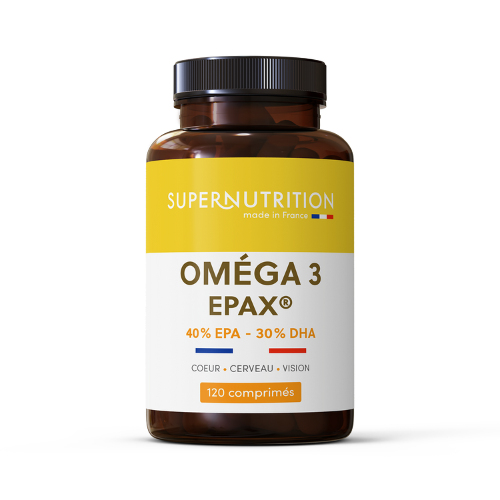
Our expert solution
Purchasing a supplement requires strict guarantees. Our oil benefits from EPAX technology, ensuring total purification and an ultra-low oxidation index (TOTOX). You provide your cells with the exact concentration needed to support skin tissue.
See our Omega 3Frequently asked questions about skin nutrition
How long does it take to see an effect on skin hydration?
The complete epidermal renewal cycle lasts approximately 28 days. Clinical studies measure the first visible benefits on water loss after 4 to 6 weeks of daily supplementation.
Should I combine hyaluronic acid with omega-3s?
This combination forms an excellent synergy pack. Hyaluronic acid attracts water into the dermis. Fatty acids lock the lipid barrier to prevent this water from evaporating. Comfort is immediate.
Does supplementation replace my cosmetic products?
No, the approach is complementary. Diet builds the cellular matrix. Topical treatments protect the surface against direct climatic aggressions. We advise you to maintain rigorous hygiene.
Our related articles:
- Omega 3 and sleep
- Omega 3 and intestine
- Omega 3 and bodybuilding
- Omega 3 and depression
- Omega 3 and the brain
- Omega 3 and cholesterol
Clinical sources and bibliography:
- Guertler, A., et al. (2024). Exploring the potential of omega-3 fatty acids in acne patients: A prospective intervention study. (Cohort of 60 patients measuring the Omega-3 Index). Journal of Cosmetic Dermatology.
- Huang, L., et al. (2024). Association Between Genetically Elevated Omega-3 Polyunsaturated Fatty Acids and Skin Disease Risk: A Mendelian Randomization Study.
Safety advice
This article provides nutritional information and does not replace medical advice. Food supplements accompany a healthy lifestyle. You should consult a healthcare professional for an accurate diagnosis or to treat a skin condition.


